By: Kori Wedeking
Clarksville Schools are in major need of air conditioning. During the beginning of the school year, it can be very hot outside. The past couple months have been extremely warm outside. It feels even hotter in the school. Not only do students hate the heat of the school, but teachers also hate the heat. Investing in air conditioning for our school would have several benefits for both students and teachers.
Cooler temperatures will improve concentration. When people are exposed to high temperatures, their brain stops concentrating on what it needs to concentrate on. Instead, their brain will concentrate on cooling their body down instead. If air conditioning was placed in Clarksville Schools, exam grades and overall grades would improve.
Air conditioning would provide more motivation. Most students in high school do not like coming to school and going to classes. Students hate coming to school even more if the building is uncomfortably hot. By investing in air conditioning, students will not dread attending school as much. They will be more willing to focus on their materials and learn.
Air conditioning also creates better air quality. Air conditioning filters the air and clears toxins from the environment. This will improve the health of both students and staff. Along with this, it can help with allergies. Not only that, but it is proven that cleaner air leads to better grades. What school would not want their students healthier and receiving better grades?
Finally, air conditioning allows tougher more complex lessons. If students and teachers are able to concentrate better because of air conditioning, teachers will be able to create complex lessons and students will be able to comprehend them much better. Without air conditioning, students may become moody and easily frustrated when they do not understand lessons. Better attitudes and behaviors will allow for more advanced learning.
The benefits of air conditioning are endless. Air conditioning leads to higher grades, better attitudes, better behavior, more learning, tougher lesson plans, better health, and more. The only downside to air conditioning is the cost. In my opinion, the benefits of Clarksville Schools investing in air conditioning easily outweigh the downsides. Clarksville Schools, and all schools, should definitely take some time to consider purchasing air conditioning for their students and staff.
Monday, September 30, 2019

Football in Iowa on 9/21
By: Cole Negen
Iowa State took on Louisiana-Monroe in a non-conference matchup in Ames. The Cyclones’ first 2 possessions resulted in 2 turnovers, 1 interception and 1 fumble. Lousiana-Monroe was unable to capitalize however, and then the flood gates opened for the Cyclones. QB Brock Purdy ran the ball in for the first score of the game. The Cyclone defense then pitched in an interception on the following drive, which Purdy once again ran in for another touchdown. Some more good defense forced a turnover on downs which ISU turned into a quick 73 yard touchdown on a pass from Purdy to Tarique Milton on the first play of the 2nd quarter, to make it 21-0 Cyclones. The Warhawks responded with a TD drive of their own. The Cyclones threw on 2 field goals and the Warhawks added another TD, but missed the extra point attempt, to make the halftime score 27-13 Cyclones. The second half was once again all Cyclones, as they poured it on with 6 TDs, including a defensive TD courtesy of Jack Hummel, and a field goal while allowing just one TD in the 3rd quarter. Final score: ISU 72, ULM 20. Iowa State showed off just how electric there offense could be, and the defense despite giving up 20 points showed that they will be a force to be reckoned with when Big 12 conference play roles around. QB Brock Purdy totaled an incredible 6 TDs on the day, 3 rushing and 3 passing. Next week, ISU opens up conference play with a road game against Baylor.
UNI climbed up to #9 on the recent FCS polls, and took on Idaho State this week. Idaho State was the first on the board with a field goal on there first offensive possession, which would be the only scoring in the 1st quarter. Idaho State got some help with a kick catch interference call, giving the Bengals 15 free yards and great field position from the Panther 31. But the Panther defense held strong, once again only giving up a field goal. Both teams defenses played extremely well in the following possessions. UNI was, however, able to throw on a field goal to make the score 6-3 in favor of Idaho State. To open up the second half, both teams had drives stall at around midfield. UNI forced a quick three and out and then had a short, quick drive capped off by a 1 yard Tyler Hoosman run for the first TD of the day and UNI’s first lead. UNI’s defense then once again stepped up and got interceptions on back to back drives, but Idaho State hung in there only allowing 3 points off the 2 turnovers. Idaho State then had a chance to set up a game tying TD drive, but never made it past the first down marker. A false start and some more great Panther defense wrapped up the game. Final score: UNI 13, Idaho State 6. UNI had three interceptions on the day and also showed that they have one of the toughest defenses in the FCS. Next week, they head to Weber State to wrap up non-conference. Strickland, Reese. “247sports.” 247sports, USA Today, 247sports.com/college/iowa-state/Article/Iowa-State-football-Re-al-Mitchell-quarterback-Matt-Campbell-sees-offensive-role-136019908/.
Iowa State took on Louisiana-Monroe in a non-conference matchup in Ames. The Cyclones’ first 2 possessions resulted in 2 turnovers, 1 interception and 1 fumble. Lousiana-Monroe was unable to capitalize however, and then the flood gates opened for the Cyclones. QB Brock Purdy ran the ball in for the first score of the game. The Cyclone defense then pitched in an interception on the following drive, which Purdy once again ran in for another touchdown. Some more good defense forced a turnover on downs which ISU turned into a quick 73 yard touchdown on a pass from Purdy to Tarique Milton on the first play of the 2nd quarter, to make it 21-0 Cyclones. The Warhawks responded with a TD drive of their own. The Cyclones threw on 2 field goals and the Warhawks added another TD, but missed the extra point attempt, to make the halftime score 27-13 Cyclones. The second half was once again all Cyclones, as they poured it on with 6 TDs, including a defensive TD courtesy of Jack Hummel, and a field goal while allowing just one TD in the 3rd quarter. Final score: ISU 72, ULM 20. Iowa State showed off just how electric there offense could be, and the defense despite giving up 20 points showed that they will be a force to be reckoned with when Big 12 conference play roles around. QB Brock Purdy totaled an incredible 6 TDs on the day, 3 rushing and 3 passing. Next week, ISU opens up conference play with a road game against Baylor.
UNI climbed up to #9 on the recent FCS polls, and took on Idaho State this week. Idaho State was the first on the board with a field goal on there first offensive possession, which would be the only scoring in the 1st quarter. Idaho State got some help with a kick catch interference call, giving the Bengals 15 free yards and great field position from the Panther 31. But the Panther defense held strong, once again only giving up a field goal. Both teams defenses played extremely well in the following possessions. UNI was, however, able to throw on a field goal to make the score 6-3 in favor of Idaho State. To open up the second half, both teams had drives stall at around midfield. UNI forced a quick three and out and then had a short, quick drive capped off by a 1 yard Tyler Hoosman run for the first TD of the day and UNI’s first lead. UNI’s defense then once again stepped up and got interceptions on back to back drives, but Idaho State hung in there only allowing 3 points off the 2 turnovers. Idaho State then had a chance to set up a game tying TD drive, but never made it past the first down marker. A false start and some more great Panther defense wrapped up the game. Final score: UNI 13, Idaho State 6. UNI had three interceptions on the day and also showed that they have one of the toughest defenses in the FCS. Next week, they head to Weber State to wrap up non-conference.
Strickland, Reese. “247sports.” 247sports, USA Today, 247sports.com/college/iowa-state/Article/Iowa-State-football-Re-al-Mitchell-quarterback-Matt-Campbell-sees-offensive-role-136019908/.
Life as a Sophomore
By: Grace Litterer
Life as a sophomore is not all that interesting. Yep, you heard it right. Don’t let that picture for the cover fool you. Sophomore year is certainly not smiling and waving from your brand new car. It’s the second year of high school. You’re not a freshman, who is hopeful and new to the classes. You’re not a junior, who is being constantly tested for college/life readiness at age 16. And you’re certainly not a senior, who is obsessed with making the best last year. You’re a sophomore. As someone who was a sophomore last year, it’s not all that exciting.
Sophomore life is not being recognized. You aren’t a freshman, thank goodness, cause that was a rough year, but you are still an underclassman. Of course, you know more than the freshman, who are just excited at the prospect of being in high school. Sophomore year is kind of just like hanging on. You are hanging on because you have to. You’re hanging on because you think it’ll be better next year. (Although, as a junior now, you might want to give up that hope because junior year is the most stressful, yet. Definitely more than sophomore year.)
One positive to sophomore year is that you get your drivers’ license. This is exciting, of course. However, then you have to hear every single person who hears you got your license vow that they will stay off the road. “I heard ya got your license. I suppose I’ll have to stay off the road now. I will make sure to warn the people on the sidewalks that you got your license, just in case you run ‘em over.” Sometimes, you just want to say, “Yes, Uncle Gary, I got my license. And I passed Drivers’ Ed with an A. No thanks to you, who can be seen eating, texting, milking a cow, and brushing your teeth while driving down the road.”
Yes, sophomore year does get to be pretty tiring. No, it’s not very interesting. Nonetheless, it’s still one year of your very limited time in high school. The best advice I can give is to enjoy it. You will never have another sophomore year. (Well, unless you are going to college, but that’s a story for another time.)
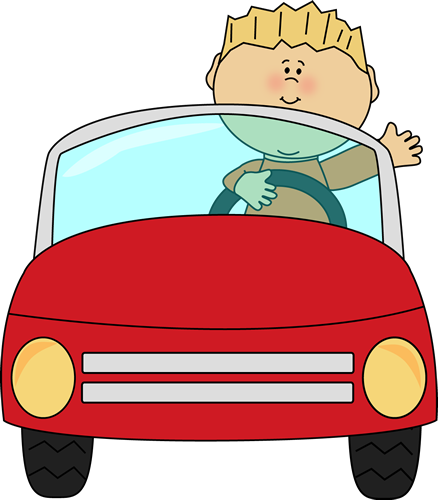
Life as a sophomore is not all that interesting. Yep, you heard it right. Don’t let that picture for the cover fool you. Sophomore year is certainly not smiling and waving from your brand new car. It’s the second year of high school. You’re not a freshman, who is hopeful and new to the classes. You’re not a junior, who is being constantly tested for college/life readiness at age 16. And you’re certainly not a senior, who is obsessed with making the best last year. You’re a sophomore. As someone who was a sophomore last year, it’s not all that exciting.
Sophomore life is not being recognized. You aren’t a freshman, thank goodness, cause that was a rough year, but you are still an underclassman. Of course, you know more than the freshman, who are just excited at the prospect of being in high school. Sophomore year is kind of just like hanging on. You are hanging on because you have to. You’re hanging on because you think it’ll be better next year. (Although, as a junior now, you might want to give up that hope because junior year is the most stressful, yet. Definitely more than sophomore year.)
One positive to sophomore year is that you get your drivers’ license. This is exciting, of course. However, then you have to hear every single person who hears you got your license vow that they will stay off the road. “I heard ya got your license. I suppose I’ll have to stay off the road now. I will make sure to warn the people on the sidewalks that you got your license, just in case you run ‘em over.” Sometimes, you just want to say, “Yes, Uncle Gary, I got my license. And I passed Drivers’ Ed with an A. No thanks to you, who can be seen eating, texting, milking a cow, and brushing your teeth while driving down the road.”
Yes, sophomore year does get to be pretty tiring. No, it’s not very interesting. Nonetheless, it’s still one year of your very limited time in high school. The best advice I can give is to enjoy it. You will never have another sophomore year. (Well, unless you are going to college, but that’s a story for another time.)
The Key to Mind Relaxation
By: Tess Lampe
You clear your mind once filled with static as someone slowly repeats something above you. You start to feel as if you are lifting off of the couch you are laying on. The bright light that was once shining down upon you has lifted and you see a beach. You walk towards it, but you see a blue lawn chair in the distance just before the waves. As you begin to sit down, you turn around with the feeling that someone is watching you. You see someone where you entered this mysterious beach. They say something to you quietly, and then louder, “Wake up, wake up!” Your eyes flutter open as you wiggle your arms and legs to feeling. This is what it may feel like to be hypnotized.
Hypnosis, also known as hypnotherapy or hypnotic suggestion, is a widespread practice that many therapists use with their patients to break bad habits or to gain a positive change out of something. Many people are led to believe that hypnosis comes from some type of magic or it is a gift within the hypnotizer. In reality, hypnotherapy is a skill in which one puts another into a deep concentration where they are more vulnerable or easy to be swayed in one direction or another. Contrary to another popular belief, when the patient is well-rested, they do not fall asleep during the session. As mentioned before, hypnotic suggestion puts a person into deep concentration and uses a great amount of imagery, which allows the patient to visualize or create an image in their head. This further allows the person in question to relax fully.
Because not everything, especially not every coping mechanism, works with each person, hypnosis is not always the right thing for everyone. It is said that the more likely you are to be hypnotized and the more vulnerable you can be, then it is more likely that you will benefit from it.
Techniques used in hypnotherapy include soothing verbals, slow repetition, and mental imagery. These techniques put patients into a “trance-like” state where their mind is relaxed. Hypnosis is also known for being used for those suffering with negative emotions, mood disorders, insomnia, anxiety, stress, etc. Other reasons why it is done include pain control (childbirth, cancer, headaches, dental aches, burns, etc.), hot flashes & menopause (when the ovaries stop producing hormones), change in behavior, side effects of cancer, and previously stated mental health conditions.
With most things, when there are benefits, there are risks that may come with them. They may include headaches, dizziness, drowsiness, anxiety, and the creation of false memories. These things only happen when hypnosis is used in an incorrect or excessive manner.
Self-hypnotization, the practice of hypnosis on one’s self, is not something to be taken lightly, especially when you may not be a professional in that specific field. All of the risks that accompany normal hypnotic suggestion applies to self-hypnosis as well. To actually hypnotize yourself, you need to assure yourself that you want to be hypnotized, you believe in its abilities and have little doubts, you are not frightened by the practice, and that you do not overuse it or see it in too much detail. A key part in this self-practice is that you must know what you want to tell yourself and what kind of message you want to put into your brain. Whatever you are wanting to say to yourself, it must be positive, genuine, and simple. Using the word “I” in your message is important as well because it easily applies to you. Additionally, it is recommended that you tell someone nearby that you are going to perform this practice because then you won’t be disturbed and just in case of an emergency, someone will be near to wake you from your trance. You need to feel relaxed, focused, and your mind needs to be clear. Tell yourself to relax, slowly close your eyes, begin to visualize, and be ready to use your prepared message/statement to yourself. Also make sure to do plenty of research beforehand so you know all of the proper steps to the practice, especially because it can be harder to do it to yourself.
Switching gears a bit, the origin of hypnosis goes back to the years of 1700 with a man named Franz Anton Mesmer, also known as the “father” or the one who birthed the idea of hypnosis. His ideas, as we now know, are definitely not true and are considered nonsense by many, but Mesmer did take the first step in creating modern hypnosis. As a German scientist, Franz believed that each and every body and object had a type of cosmic energy that was transferred between them. Further, he thought that this energy could be harnessed or controlled and used for influencing the behavior of others. As you can gather from the name “Mesmer,” he named this transference or process of controlling another’s energy “mesmerism.” Most people today have heard that word, and now you know where that comes from and how it applies to modern hypnotic suggestion.
Conclusively, hypnosis is more than what today’s people and society believe it to be. There are many ways for one to practice hypnotherapy, in which many benefits and risks come with each of them. Even though it is not for all people, it is something that offers many positive outcomes. If you are stressed or are experiencing some type of pain, hypnosis is a coping mechanism that may be just what you need.
You clear your mind once filled with static as someone slowly repeats something above you. You start to feel as if you are lifting off of the couch you are laying on. The bright light that was once shining down upon you has lifted and you see a beach. You walk towards it, but you see a blue lawn chair in the distance just before the waves. As you begin to sit down, you turn around with the feeling that someone is watching you. You see someone where you entered this mysterious beach. They say something to you quietly, and then louder, “Wake up, wake up!” Your eyes flutter open as you wiggle your arms and legs to feeling. This is what it may feel like to be hypnotized.
Hypnosis, also known as hypnotherapy or hypnotic suggestion, is a widespread practice that many therapists use with their patients to break bad habits or to gain a positive change out of something. Many people are led to believe that hypnosis comes from some type of magic or it is a gift within the hypnotizer. In reality, hypnotherapy is a skill in which one puts another into a deep concentration where they are more vulnerable or easy to be swayed in one direction or another. Contrary to another popular belief, when the patient is well-rested, they do not fall asleep during the session. As mentioned before, hypnotic suggestion puts a person into deep concentration and uses a great amount of imagery, which allows the patient to visualize or create an image in their head. This further allows the person in question to relax fully.
Because not everything, especially not every coping mechanism, works with each person, hypnosis is not always the right thing for everyone. It is said that the more likely you are to be hypnotized and the more vulnerable you can be, then it is more likely that you will benefit from it.
Techniques used in hypnotherapy include soothing verbals, slow repetition, and mental imagery. These techniques put patients into a “trance-like” state where their mind is relaxed. Hypnosis is also known for being used for those suffering with negative emotions, mood disorders, insomnia, anxiety, stress, etc. Other reasons why it is done include pain control (childbirth, cancer, headaches, dental aches, burns, etc.), hot flashes & menopause (when the ovaries stop producing hormones), change in behavior, side effects of cancer, and previously stated mental health conditions.
With most things, when there are benefits, there are risks that may come with them. They may include headaches, dizziness, drowsiness, anxiety, and the creation of false memories. These things only happen when hypnosis is used in an incorrect or excessive manner.
Self-hypnotization, the practice of hypnosis on one’s self, is not something to be taken lightly, especially when you may not be a professional in that specific field. All of the risks that accompany normal hypnotic suggestion applies to self-hypnosis as well. To actually hypnotize yourself, you need to assure yourself that you want to be hypnotized, you believe in its abilities and have little doubts, you are not frightened by the practice, and that you do not overuse it or see it in too much detail. A key part in this self-practice is that you must know what you want to tell yourself and what kind of message you want to put into your brain. Whatever you are wanting to say to yourself, it must be positive, genuine, and simple. Using the word “I” in your message is important as well because it easily applies to you. Additionally, it is recommended that you tell someone nearby that you are going to perform this practice because then you won’t be disturbed and just in case of an emergency, someone will be near to wake you from your trance. You need to feel relaxed, focused, and your mind needs to be clear. Tell yourself to relax, slowly close your eyes, begin to visualize, and be ready to use your prepared message/statement to yourself. Also make sure to do plenty of research beforehand so you know all of the proper steps to the practice, especially because it can be harder to do it to yourself.
Switching gears a bit, the origin of hypnosis goes back to the years of 1700 with a man named Franz Anton Mesmer, also known as the “father” or the one who birthed the idea of hypnosis. His ideas, as we now know, are definitely not true and are considered nonsense by many, but Mesmer did take the first step in creating modern hypnosis. As a German scientist, Franz believed that each and every body and object had a type of cosmic energy that was transferred between them. Further, he thought that this energy could be harnessed or controlled and used for influencing the behavior of others. As you can gather from the name “Mesmer,” he named this transference or process of controlling another’s energy “mesmerism.” Most people today have heard that word, and now you know where that comes from and how it applies to modern hypnotic suggestion.
Conclusively, hypnosis is more than what today’s people and society believe it to be. There are many ways for one to practice hypnotherapy, in which many benefits and risks come with each of them. Even though it is not for all people, it is something that offers many positive outcomes. If you are stressed or are experiencing some type of pain, hypnosis is a coping mechanism that may be just what you need.
How Music Affects the Brain
By: Morgan Jacobs
Music can impact us in many ways. This impact can be positive and make us feel we are on top of the world. We can also be impacted negatively by feeling upset or sad. Music can make us feel a lot of different emotions all at once, but what is the effect of listening to music on the brain.
Two UCF professors, Kimbinobu Sugaya (neuroscientist) and Ayako Yonetani (world-renowned violinist), started teaching a course at The Burnett Honors College called “MUsic and the Brain” which teaches students how music impacts the brain. In the class they teach that music can change your ability to perceive time, can tap into primal fear, reduces seizures, makes you a better communicator, makes you stronger, can boost your immune system, assist in repairing brain damage, make you smarter, evoke memories, and can help parkinson's patients. While listening to music, different parts of your brain are doing many things all at once. Listed below is a photo of the brain that shows what part of the brain does what when listening to music.
Listening to different genres of music can impact us in different ways. For example, classical music enhances dopamine secretion (Dopamine Secretion is the release of dopamine in the brain. Dopamine is released to make you feel good.), synaptic function (The process in which one neuron communicates with another.), learning, and memory. Heavy metal music elicits a sense of identity and a knack for community. Rap music stimulates emotion, language, motivation, motor function,and processing by being in a “flow state”/zone. Pop and rock music improves endurance and enhances physical performance, but it can also easily distract you while working. Lastly, listening to jazz helps to sooth the body.
In a study done by Ashford University, The most popular type of music to listen to while working among students is types of music like the blues, gospel, christisn, metal, pop, and avantgarde by 25.8%. The next most popular genres is country and classical music which makes up 12.9%. This is lead by ambient and R and B (9.7%), Electronic/trance and rock (6.5%), and jazz, soul folk/americana, easy listening, and meditative(3.2%).
Today there are many different ways to enjoy music whether that is on Spotify, Pandora, Youtube, SoundCloud, and many more. All it takes to find these music resources is a quick Google search. Music plays such a big part to affect our brains by helping us all to learn and grow to find what we like.
What the different parts of the brain are doing when listening to music.
Sources :
“Music and the Brain: What Happens When You're Listening to Music.” Pegasus Magazine, https://www.ucf.edu/pegasus/your-brain-on-music/.
“Ashford University.” (Infographic) | Ashford University, 7 June 2017, https://www.ashford.edu/online-degrees/student-lifestyle/how-does-music-affect-your-brain.
Music can impact us in many ways. This impact can be positive and make us feel we are on top of the world. We can also be impacted negatively by feeling upset or sad. Music can make us feel a lot of different emotions all at once, but what is the effect of listening to music on the brain.
Two UCF professors, Kimbinobu Sugaya (neuroscientist) and Ayako Yonetani (world-renowned violinist), started teaching a course at The Burnett Honors College called “MUsic and the Brain” which teaches students how music impacts the brain. In the class they teach that music can change your ability to perceive time, can tap into primal fear, reduces seizures, makes you a better communicator, makes you stronger, can boost your immune system, assist in repairing brain damage, make you smarter, evoke memories, and can help parkinson's patients. While listening to music, different parts of your brain are doing many things all at once. Listed below is a photo of the brain that shows what part of the brain does what when listening to music.
Listening to different genres of music can impact us in different ways. For example, classical music enhances dopamine secretion (Dopamine Secretion is the release of dopamine in the brain. Dopamine is released to make you feel good.), synaptic function (The process in which one neuron communicates with another.), learning, and memory. Heavy metal music elicits a sense of identity and a knack for community. Rap music stimulates emotion, language, motivation, motor function,and processing by being in a “flow state”/zone. Pop and rock music improves endurance and enhances physical performance, but it can also easily distract you while working. Lastly, listening to jazz helps to sooth the body.
In a study done by Ashford University, The most popular type of music to listen to while working among students is types of music like the blues, gospel, christisn, metal, pop, and avantgarde by 25.8%. The next most popular genres is country and classical music which makes up 12.9%. This is lead by ambient and R and B (9.7%), Electronic/trance and rock (6.5%), and jazz, soul folk/americana, easy listening, and meditative(3.2%).
Today there are many different ways to enjoy music whether that is on Spotify, Pandora, Youtube, SoundCloud, and many more. All it takes to find these music resources is a quick Google search. Music plays such a big part to affect our brains by helping us all to learn and grow to find what we like.
What the different parts of the brain are doing when listening to music.
Sources :
“Music and the Brain: What Happens When You're Listening to Music.” Pegasus Magazine, https://www.ucf.edu/pegasus/your-brain-on-music/.
“Ashford University.” (Infographic) | Ashford University, 7 June 2017, https://www.ashford.edu/online-degrees/student-lifestyle/how-does-music-affect-your-brain.
Photo :
Cooper, Belle Beth. “8 Amazing, Little-Known Ways Music Affects the Brain.” Resources, 27 Aug. 2016, https://buffer.com/resources/music-and-the-brain.
Adventure Time
By: Ashten Elliott
Do you remember when cartoon network had live action shows and horribly produced animated ones (to this day I still get flashbacks) the network had entered dark times indeed until in April of 2010 Adventure Time was released it was a big hit and soon other great shows began to appear so the network cancelled the old stuff and let a renaissance begin, without adventure time and shows like it I doubt the network would still be running so let's talk about card wars the land of Ooo’s version of yugioh. But first I’ll tell you about the show, for starters the show had a run time of eight years and had ten seasons, the show follows the adventures of finn the last known human in the world of Ooo and his brother Jake who is a shapeshifting dog. The first few seasons are about Finn and Jake exploring the land of Ooo with their group of friends including but not limited to the queen of vampires, the elemental of candy (which is an element now apparently) who is also a princess, the elemental of fire who is also a princess, a psychic tandem war elephant, god, the reincarnation of the lich, and an insane ice mage who saved the world from complete destruction. The other seasons are story oriented which is where most of that stuff comes from some of the things that happen include Fin killing the lich who is the embodiment of evil who plunged the world into a post apocalypse, finding the other humans, and defeating Golb who is pure chaos and so powerful that he could destroy the world and is immune to being destroyed by the crown of the ice king which can grant any wish. So this show is easily one of my favorites and when I heard they made card wars from one of my favorite episodes of the show I had to play it. The game is a turn based card game that can have a stupid amount of strategy in it. The game is played by taking turns playing cards in order to defeat your opponent and their cards. Each person gets two actions and a draw to play their cards and deplete their opponents twenty health. The game is really fun and is great for fans.
Do you remember when cartoon network had live action shows and horribly produced animated ones (to this day I still get flashbacks) the network had entered dark times indeed until in April of 2010 Adventure Time was released it was a big hit and soon other great shows began to appear so the network cancelled the old stuff and let a renaissance begin, without adventure time and shows like it I doubt the network would still be running so let's talk about card wars the land of Ooo’s version of yugioh. But first I’ll tell you about the show, for starters the show had a run time of eight years and had ten seasons, the show follows the adventures of finn the last known human in the world of Ooo and his brother Jake who is a shapeshifting dog. The first few seasons are about Finn and Jake exploring the land of Ooo with their group of friends including but not limited to the queen of vampires, the elemental of candy (which is an element now apparently) who is also a princess, the elemental of fire who is also a princess, a psychic tandem war elephant, god, the reincarnation of the lich, and an insane ice mage who saved the world from complete destruction. The other seasons are story oriented which is where most of that stuff comes from some of the things that happen include Fin killing the lich who is the embodiment of evil who plunged the world into a post apocalypse, finding the other humans, and defeating Golb who is pure chaos and so powerful that he could destroy the world and is immune to being destroyed by the crown of the ice king which can grant any wish. So this show is easily one of my favorites and when I heard they made card wars from one of my favorite episodes of the show I had to play it. The game is a turn based card game that can have a stupid amount of strategy in it. The game is played by taking turns playing cards in order to defeat your opponent and their cards. Each person gets two actions and a draw to play their cards and deplete their opponents twenty health. The game is really fun and is great for fans.
Monday, September 23, 2019
The Importance of Lifting
By Kori Wedeking
Exercise and lifting is a big part of everyone’s lives, especially young athletes. Not everyone believes or thinks that lifting is needed, but there are several proven benefits of strength training.
Lifting ensures that young athletes will develop motor skills, understand the mechanics of your muscles, and become more coordinated. Lifting one-hundred percent improves your ability to play sports and be successful in sports. Along with this, lifting also reduces the risk of injuring. While lifting, athletes learn the proper form and technique of weight training. Gaining muscle and proper technique prevents injuries from occurring on the field, court, track, course, etc.
An obvious benefit of lifting is increasing strength. Muscular strength has a lot of value in every single sport. The more strength you have, the more dominant you will be compared to your competition. Another benefit is self-esteem. Studies have connected strength training to an increase in positive self-image, high self-esteem, and self-confidence. By lifting, you can surprise yourself and learn how strong you truly are. For example, if a track athlete is used to lifting heavy weights in the weight room, throwing the shot put at meets will be a piece of cake.
Along with these benefits, there is the benefit of adding variety to activities. It is easy for young athletes to get burned-out and tired of doing the same sport constantly. By lifting, there is a change of pace and change of activity. Although an athlete is not getting better in a specific sport, they are still getting better when they lift because they are getting stronger.
Lifting is not the most fun. It can be hard to challenge yourself in the weight room. It can be difficult to mentally stay focused and lift some days. It is important for young athletes to understand the benefits of lifting, that way they feel motivated to actually lift hard. If athletes push through and get a good lift in a few times a week, their sports performance will definitely improve.
Exercise and lifting is a big part of everyone’s lives, especially young athletes. Not everyone believes or thinks that lifting is needed, but there are several proven benefits of strength training.
Lifting ensures that young athletes will develop motor skills, understand the mechanics of your muscles, and become more coordinated. Lifting one-hundred percent improves your ability to play sports and be successful in sports. Along with this, lifting also reduces the risk of injuring. While lifting, athletes learn the proper form and technique of weight training. Gaining muscle and proper technique prevents injuries from occurring on the field, court, track, course, etc.
An obvious benefit of lifting is increasing strength. Muscular strength has a lot of value in every single sport. The more strength you have, the more dominant you will be compared to your competition. Another benefit is self-esteem. Studies have connected strength training to an increase in positive self-image, high self-esteem, and self-confidence. By lifting, you can surprise yourself and learn how strong you truly are. For example, if a track athlete is used to lifting heavy weights in the weight room, throwing the shot put at meets will be a piece of cake.
Along with these benefits, there is the benefit of adding variety to activities. It is easy for young athletes to get burned-out and tired of doing the same sport constantly. By lifting, there is a change of pace and change of activity. Although an athlete is not getting better in a specific sport, they are still getting better when they lift because they are getting stronger.
Lifting is not the most fun. It can be hard to challenge yourself in the weight room. It can be difficult to mentally stay focused and lift some days. It is important for young athletes to understand the benefits of lifting, that way they feel motivated to actually lift hard. If athletes push through and get a good lift in a few times a week, their sports performance will definitely improve.
Benefits of Sports
By Katie Stirling
Students who choose to go out for sports in high school might have many different reasons. They might want to stay in shape, spend more time with their friends, and/or just love playing the sport. These are all different benefits of participating in high school sports.
Participating in sports provides many health benefits for students. When you are getting the right amount of activity every day, you will feel more physically fit. Staying in shape might have a more positive impact on your body than some people realize. Staying hydrated, eating healthy foods, and getting the right amount of sleep are all things some students might take more seriously if they were out for a sport. Of course, you don’t have to do these things while on a sports team, but they tend to help you gain progress.
Another benefit of sports is spending more time with your friends. We all know the school year can get very busy at times. With less free time to spend with your friends, being on a team can make up for that time. You would get to see them everyday at practice, spend time on the bus with them to away games, and enjoy making progress and getting better together throughout the season.
Many people believe the main reason someone should participate in a sport is if they truly enjoy playing it. While this might not be true for all student athletes, it is very true for some of them. Playing a sport you love gives you a great amount of joy and satisfaction. It can give people something to look forward to during the day.
Playing sports during high school can give students many benefits. Staying in shape, spending more time with your friends, and playing the sport you love are just some of the reasons why students go out. It can give you memories that you’ll never forget and moments you’ll never want to let go of.
Participating in sports provides many health benefits for students. When you are getting the right amount of activity every day, you will feel more physically fit. Staying in shape might have a more positive impact on your body than some people realize. Staying hydrated, eating healthy foods, and getting the right amount of sleep are all things some students might take more seriously if they were out for a sport. Of course, you don’t have to do these things while on a sports team, but they tend to help you gain progress.
Another benefit of sports is spending more time with your friends. We all know the school year can get very busy at times. With less free time to spend with your friends, being on a team can make up for that time. You would get to see them everyday at practice, spend time on the bus with them to away games, and enjoy making progress and getting better together throughout the season.
Many people believe the main reason someone should participate in a sport is if they truly enjoy playing it. While this might not be true for all student athletes, it is very true for some of them. Playing a sport you love gives you a great amount of joy and satisfaction. It can give people something to look forward to during the day.
Playing sports during high school can give students many benefits. Staying in shape, spending more time with your friends, and playing the sport you love are just some of the reasons why students go out. It can give you memories that you’ll never forget and moments you’ll never want to let go of.
College Football in Iowa 9/14
By Cole Negen
In Ames #19 Iowa took on Iowa State for the Cy-Hawk trophy. Iowa started up the game with a long, 15 play drive that ended with a field goal. Iowa State responded with a little trickeration, with a double pass from La’Michael Petteway to Deshaunte Jones for the games first touchdown. Shortly after the game was stopped in its first lightning delay. The delay lasted about 50 minutes. Play resumed for a short bit before another delay came, this one close to 2 hours in length. When play resumed again, both teams defenses looked very impressive, the only score a 40 yard field goal from Keith Duncan as time expired in the first half, making the halftime score 7-6 in favor of the Cyclones. Due to the delays halftime was shortened, and it didn’t take long for the Cyclones to find the endzone again. On the second play from scrimmage out of halftime, Brock Purdy found Tarique Milton for a 73 yard TD throw to make it 14-3 Iowa State. Iowa responded with yet another long drive but once again only was able to get a field goal out of it. Their defense gave them a boost with a quick 3 and out. Iowa State backed up into their own endzone got only a 34 yard punt, giving the Hawkeyes great field position. QB Nate Stanley then lead a masterful drive from Iowa State territory, in which he capped off with a 1 yard TD plunge to give the Hawkeyes their first lead of the game. Iowa failed a 2 point conversion, making the score 15-14 Iowa. Iowa State took back the lead with a field goal, which the Hawkeyes responded with a field goal of there own 18-17. Iowa State then had a potential go ahead TD drive going until a false start set back the drive and the Hawkeye defense stiffened, forcing a turnover on downs. Iowa failed to do anything with their potential game sealing drive and was forced to punt. On the ensuing punt, Iowa State’s jammer ran into the returner as he tried to field the ball resulting in a fumble which the Hawkeyes recovered. A couple of kneels and the game was over. Final score: #19 Iowa 18, Iowa State 17.
The game in total took about 6 hours to complete. Iowa State loses its 5th straight game against the Hawkeyes.

Hawkeyesports.com. <https://hawkeyesports.com/news/2019/9/16/football-iowa-vs-iowa-state-in-pictures.aspx>.
In Ames #19 Iowa took on Iowa State for the Cy-Hawk trophy. Iowa started up the game with a long, 15 play drive that ended with a field goal. Iowa State responded with a little trickeration, with a double pass from La’Michael Petteway to Deshaunte Jones for the games first touchdown. Shortly after the game was stopped in its first lightning delay. The delay lasted about 50 minutes. Play resumed for a short bit before another delay came, this one close to 2 hours in length. When play resumed again, both teams defenses looked very impressive, the only score a 40 yard field goal from Keith Duncan as time expired in the first half, making the halftime score 7-6 in favor of the Cyclones. Due to the delays halftime was shortened, and it didn’t take long for the Cyclones to find the endzone again. On the second play from scrimmage out of halftime, Brock Purdy found Tarique Milton for a 73 yard TD throw to make it 14-3 Iowa State. Iowa responded with yet another long drive but once again only was able to get a field goal out of it. Their defense gave them a boost with a quick 3 and out. Iowa State backed up into their own endzone got only a 34 yard punt, giving the Hawkeyes great field position. QB Nate Stanley then lead a masterful drive from Iowa State territory, in which he capped off with a 1 yard TD plunge to give the Hawkeyes their first lead of the game. Iowa failed a 2 point conversion, making the score 15-14 Iowa. Iowa State took back the lead with a field goal, which the Hawkeyes responded with a field goal of there own 18-17. Iowa State then had a potential go ahead TD drive going until a false start set back the drive and the Hawkeye defense stiffened, forcing a turnover on downs. Iowa failed to do anything with their potential game sealing drive and was forced to punt. On the ensuing punt, Iowa State’s jammer ran into the returner as he tried to field the ball resulting in a fumble which the Hawkeyes recovered. A couple of kneels and the game was over. Final score: #19 Iowa 18, Iowa State 17.
The game in total took about 6 hours to complete. Iowa State loses its 5th straight game against the Hawkeyes.
Hawkeyesports.com. <https://hawkeyesports.com/news/2019/9/16/football-iowa-vs-iowa-state-in-pictures.aspx>.
Why Getting a Dog is Worthwhile
By Ainsley Lovrien
Owning a dog is one of the best things you could possibly own. Having a pet, like a dog, can teach kids about responsibility when your kids have to help walk, bathe, and feed the dog, they are learning the important skill of taking care of another living creature. Dogs help the immune system: there was one study which showed that babies which are raised in a dog-owning homes are less susceptible to colds and respiratory infections.Dogs keep kids exercising: too many kids these days would rather sit home on the couch playing video games; if your family has a dog, though, it gives your children a great excuse to get outdoors and keep them active.When you have a dog in your home, you can bet on a reduced chance of a break in or robbery. Dogs are great for protecting against robbers and are always on guard, ready to bark or defend their family since they are very protective-especially of kids in the house. Robbers are less likely to strike because they know a dog will warn their owner, attack them, or significantly reduce their chance of making off with goods. A dog is also good for your health. According to the American Heart Association, owning a dog may help everyone in your family by decreasing the risk of developing heart disease.Because you will be walking your dog as a family, you’ll all gain more exercise. And, you’ll develop a strong bond with your pet, which decreases stress (more exercise and less stress = a healthier heart. In my family, I am working on getting another dog for inside my house and I needed to pick between some puppies. I had a really hard time deciding, because of cost, how big the dog will get, and of course how cute it is. After hearing many different responses, I finally made a survey to see what the entire high school and junior high have to say which one would be the best. Finally, the most voted one was the white maltese, but second was the yorkie and the maltese costs more than the yorkie. Now, I think my mind is made.
Owning a dog is one of the best things you could possibly own. Having a pet, like a dog, can teach kids about responsibility when your kids have to help walk, bathe, and feed the dog, they are learning the important skill of taking care of another living creature. Dogs help the immune system: there was one study which showed that babies which are raised in a dog-owning homes are less susceptible to colds and respiratory infections.Dogs keep kids exercising: too many kids these days would rather sit home on the couch playing video games; if your family has a dog, though, it gives your children a great excuse to get outdoors and keep them active.When you have a dog in your home, you can bet on a reduced chance of a break in or robbery. Dogs are great for protecting against robbers and are always on guard, ready to bark or defend their family since they are very protective-especially of kids in the house. Robbers are less likely to strike because they know a dog will warn their owner, attack them, or significantly reduce their chance of making off with goods. A dog is also good for your health. According to the American Heart Association, owning a dog may help everyone in your family by decreasing the risk of developing heart disease.Because you will be walking your dog as a family, you’ll all gain more exercise. And, you’ll develop a strong bond with your pet, which decreases stress (more exercise and less stress = a healthier heart. In my family, I am working on getting another dog for inside my house and I needed to pick between some puppies. I had a really hard time deciding, because of cost, how big the dog will get, and of course how cute it is. After hearing many different responses, I finally made a survey to see what the entire high school and junior high have to say which one would be the best. Finally, the most voted one was the white maltese, but second was the yorkie and the maltese costs more than the yorkie. Now, I think my mind is made.
Life as a Freshmen
By Grace Litterer
Continuing with the theme, I thought I would do life as a freshman. Freshman year is certainly an interesting time. Freshman year is the first year of high school. Of course, it comes with new experiences. As someone who was a freshman only a few years ago, I remember it being a lot to contend with. Considering that this week is homecoming week at Clarksville, the topic is, of course, homecoming. Freshman year is the first year that you are able to participate in homecoming, or at least go to the dance. Of course, there a few stereotypical freshmen that show themselves during homecoming week.
One of them is, of course, the Very Eager Go-Getter. This is the freshman that goes all out. They get five Halloween costumes for five different dress-up days. This person would dye their hair five different times if it meant that their outfit for the day is on point. The easiest way to spot the enthusiastic freshmen is to look for them on Spirit Day. They likely have their entire face painted maroon and white for the occasion. They are quick to organize a class dinner before the dance or delegate jobs to different people for the hallway. If nothing else, you can say they are enthusiastic.
The other one is the Nervous No-Getter. Now, in all truthfulness, I was the Nervous No-Getter during my freshman year. This person is pretty easy to spot, too. This is the person that refuses to dress up. They don’t want to participate in games. They don’t want to do the Car Cram or the Scooter Races. Most of all, they absolutely do NOT want to go to the homecoming dance. There is no way that they will dance. In fact, if they do show up, it is only for the snack table, or because their parents made them. As someone who was once a Nervous No-Getter, here’s some advice. The dance isn’t a big deal, and the games and dress up days are meant for you to have fun. If you spend your time hating it, you will be too distracted to have fun.
In conclusion, these types of freshmen show themselves every year. It’s something that you can count on. In the midst of all the homecoming activities, you can always see the freshmen class, including the Eager Go-Getter and the Nervous No-Getter, bonding, working together to make this homecoming their first, and best, homecoming.

Continuing with the theme, I thought I would do life as a freshman. Freshman year is certainly an interesting time. Freshman year is the first year of high school. Of course, it comes with new experiences. As someone who was a freshman only a few years ago, I remember it being a lot to contend with. Considering that this week is homecoming week at Clarksville, the topic is, of course, homecoming. Freshman year is the first year that you are able to participate in homecoming, or at least go to the dance. Of course, there a few stereotypical freshmen that show themselves during homecoming week.
One of them is, of course, the Very Eager Go-Getter. This is the freshman that goes all out. They get five Halloween costumes for five different dress-up days. This person would dye their hair five different times if it meant that their outfit for the day is on point. The easiest way to spot the enthusiastic freshmen is to look for them on Spirit Day. They likely have their entire face painted maroon and white for the occasion. They are quick to organize a class dinner before the dance or delegate jobs to different people for the hallway. If nothing else, you can say they are enthusiastic.
The other one is the Nervous No-Getter. Now, in all truthfulness, I was the Nervous No-Getter during my freshman year. This person is pretty easy to spot, too. This is the person that refuses to dress up. They don’t want to participate in games. They don’t want to do the Car Cram or the Scooter Races. Most of all, they absolutely do NOT want to go to the homecoming dance. There is no way that they will dance. In fact, if they do show up, it is only for the snack table, or because their parents made them. As someone who was once a Nervous No-Getter, here’s some advice. The dance isn’t a big deal, and the games and dress up days are meant for you to have fun. If you spend your time hating it, you will be too distracted to have fun.
In conclusion, these types of freshmen show themselves every year. It’s something that you can count on. In the midst of all the homecoming activities, you can always see the freshmen class, including the Eager Go-Getter and the Nervous No-Getter, bonding, working together to make this homecoming their first, and best, homecoming.
The Healthy Food We've Always Needed
By Tess Lampe
Celery
A vegetable that most people had as a kid accompanied by peanut butter, right? Little do most people know that the vegetable that is celery is actually one of the healthiest you can have, and that is true for many reasons. Not only is celery filled with nutrients, it also has a very miniscule amount of calories, it often benefits a select few of the inner systems of your body, and most surprisingly, celery is used in pain-relieving medicine quite often. To say the least, it is a vegetable that the common people forgot about, but nutritionists have always kept it on their lists of healthy snacks.
Celery is a vegetable that belongs to the plant family of Apiaceae, which usually consists of aromantic flowering plants. Other plants that are in this family include the previously mentioned celery, carrots, parsley, and umbellifers. An umbellifer is essentially a commonly used umbrella term for flowering plants that are apart of the Apiaceae family. When it comes to umbellifers, pollinators are closely tied to them because of the great attraction they have towards the abundant amount of nutrients. The pollinators that tend to attract themselves towards the umbellifers are hoverflies, bees, butterflies, and other flies.
Celery is known for being low in calories and very rich in nutrients and health benefits, which is why many people include it in their diets. Not only does this certain vegetable help to improve many bodily systems like the digestive and cardiovascular system, the seeds in celery are also used in many pain-relieving medicines. It can also be served in many ways and it often withholds its nutrients through most of those processes. Based on a study from the journal LTW - Food and Science Technology, when celery is steamed, about 83-99% of the antioxidants - compounds in food and in your body that defend cells from anything harmful - stay in the vegetable. However, when blanched or boiled, about 38-41% of the antioxidants within the vegetable are lost.
Even though celery is full of nutrients, it isn’t quite packed full with a certain mineral. Nutritionist Megan Ware says that “Since celery is mostly made of water, it is not particularly high in any vitamin or mineral.” Despite this fact, there is actually a moderate amount of vitamin K in celery (30% in one cup). Vitamin K is a vitamin that mainly focuses on regulating blood calcium levels and bone metabolism, which can also be related to blood clotting.
Health benefits of celery can include weight loss, anti-inflammatory effects, hydration, being a remedy for heartburn, helps lower cholesterol and blood pressure, regulates bowel and digestive movements, and the antioxidants and variety of nutrients can help with reducing cancer risk. Despite the many benefits, there are a few risks to eating too much celery. It has a high sodium/salt level, which can be a danger or worry to some under certain circumstances. Additionally, because of the low amount of calories in celery, it could cause malnutrition if eaten too much. Malnutrition, although seeming ironic when talking about this specific vegetable based on previous statements, is when the body does not receive proper nutrition from not eating enough of the right foods, not being able to properly digest, or not eating enough in general.
Other health concerns with celery may be allergies, interference with thyroid functions when eaten in large quantities, and temporarily causing skin to be more sensitive to UV rays if applied directly to the skin.
Nevertheless, as long as celery and many other vegetables from the Apiaceae family are used and eaten properly and used in each individual’s desired diet in the correct way, celery can be a great food with many health benefits that could help many who need it.
https://www.medicalnewstoday.com/articles/270678.phphttps://www.livescience.com/50640-celery-nutrition.htmlhttps://www.gardenersworld.com/plants/plants-with-umbellifer-flowers/https://www.pollinator.org/pollinators
Celery
A vegetable that most people had as a kid accompanied by peanut butter, right? Little do most people know that the vegetable that is celery is actually one of the healthiest you can have, and that is true for many reasons. Not only is celery filled with nutrients, it also has a very miniscule amount of calories, it often benefits a select few of the inner systems of your body, and most surprisingly, celery is used in pain-relieving medicine quite often. To say the least, it is a vegetable that the common people forgot about, but nutritionists have always kept it on their lists of healthy snacks.
Celery is a vegetable that belongs to the plant family of Apiaceae, which usually consists of aromantic flowering plants. Other plants that are in this family include the previously mentioned celery, carrots, parsley, and umbellifers. An umbellifer is essentially a commonly used umbrella term for flowering plants that are apart of the Apiaceae family. When it comes to umbellifers, pollinators are closely tied to them because of the great attraction they have towards the abundant amount of nutrients. The pollinators that tend to attract themselves towards the umbellifers are hoverflies, bees, butterflies, and other flies.
Celery is known for being low in calories and very rich in nutrients and health benefits, which is why many people include it in their diets. Not only does this certain vegetable help to improve many bodily systems like the digestive and cardiovascular system, the seeds in celery are also used in many pain-relieving medicines. It can also be served in many ways and it often withholds its nutrients through most of those processes. Based on a study from the journal LTW - Food and Science Technology, when celery is steamed, about 83-99% of the antioxidants - compounds in food and in your body that defend cells from anything harmful - stay in the vegetable. However, when blanched or boiled, about 38-41% of the antioxidants within the vegetable are lost.
Even though celery is full of nutrients, it isn’t quite packed full with a certain mineral. Nutritionist Megan Ware says that “Since celery is mostly made of water, it is not particularly high in any vitamin or mineral.” Despite this fact, there is actually a moderate amount of vitamin K in celery (30% in one cup). Vitamin K is a vitamin that mainly focuses on regulating blood calcium levels and bone metabolism, which can also be related to blood clotting.
Health benefits of celery can include weight loss, anti-inflammatory effects, hydration, being a remedy for heartburn, helps lower cholesterol and blood pressure, regulates bowel and digestive movements, and the antioxidants and variety of nutrients can help with reducing cancer risk. Despite the many benefits, there are a few risks to eating too much celery. It has a high sodium/salt level, which can be a danger or worry to some under certain circumstances. Additionally, because of the low amount of calories in celery, it could cause malnutrition if eaten too much. Malnutrition, although seeming ironic when talking about this specific vegetable based on previous statements, is when the body does not receive proper nutrition from not eating enough of the right foods, not being able to properly digest, or not eating enough in general.
Other health concerns with celery may be allergies, interference with thyroid functions when eaten in large quantities, and temporarily causing skin to be more sensitive to UV rays if applied directly to the skin.
Nevertheless, as long as celery and many other vegetables from the Apiaceae family are used and eaten properly and used in each individual’s desired diet in the correct way, celery can be a great food with many health benefits that could help many who need it.
https://www.medicalnewstoday.com/articles/270678.phphttps://www.livescience.com/50640-celery-nutrition.htmlhttps://www.gardenersworld.com/plants/plants-with-umbellifer-flowers/https://www.pollinator.org/pollinators
What is 4-H and How Did it Start?
By Morgan Jacobs
When thinking about different extracurriculars, our minds usually go to sports, band, choir, and many more. One extracurricular that is common among some people is 4-H. According to the official 4-H page, 4-H is defined as, “ … the power of young people. We see that every child has valuable strengths and real influence to improve the world around us.” When 4-H was originally started in the late 1800’s, it was made as a way to introduce new agricultural technology to communities. The goal was to have the idea of a practical and “hands - on” learning experience for all 4-Hers. The idea of having a practical and “hands - on” learning came from wanting to connect school education and country life together. The first step to making 4-H was by building community clubs to help solve agricultural challenges by learning about the industries in their community.
In 1902, A.B. Gram started the first 4-H club was known by “The Tomato Club” and by the “Corn Growing Club” in Clark County, Ohio. That same year T.A. Erickson of Douglas County, Minnesota also started local after school agricultural clubs and fairs. About eight years later in 1910, Jessie Field Shambaugh from Page County, Iowa developed the clover pin with the three H’s. The three H’s stood for Head, Hands, and Heart.
Two years later in 1914, the Smith-Lever Act was passed and created the Cooperative Extension System at USDA. (The Cooperative Extension System is a partnership of the National Institute of Food and Agriculture (NIFA) within the U.S. Department of Agriculture (USDA), more than 100 land-grant universities and more than 3,000 county offices across the nation. Cooperative Extension combines the expertise and resources of federal, state, and local governments and is designed to meet the need for research, knowledge and educational programs.) This also nationalized 4-H as 4-H and not 3-H. The fourth H was added and stood for Health. By 1924, the clover was adapted and 4-H clubs were formed.
Today, 4-H serves youth is rural, urban, and suburban communities and 4-Hers and tackling many national issues from global food security, climate change, and many more topics. 4-H today is also in communities in every state across the nation and gives the youth a wide variety of STEM opportunities from agricultural to robotics and much more. In 4-H, their is nearly 6 million people who participate in 4-H. Roughly, 1.8 of these people live in an urban area, 1.6 million live in a suburban area, and 2.8 million people live in a rural area. There is also about 500,000 volunteers and 3,500 4-H professionals helping all 6 million 4-Hers.
I personally am a part of the BUtler BB’s 4-H Club in Butler County and believe that 4-H is one network that can help youth learn some of the basic fundamentals for school, future jobs, and for the rest of their lives. There are many different and new opportunities when it comes to 4-H as well. Listed below is a source for 4-H and how you can get involved if you are interested. If you are looking for new experiences, more about how things around you work, or even just a way to meet new people, I highly recommend looking into 4-H.
Link to find a 4-H club near you : https://4-h.org/find/

Sources :
“History of 4-H Youth Development Organization.” 4, https://4-h.org/about/history/.
“What Is 4-H? - 4-H.” 4, https://4-h.org/about/what-is-4-h/.
YouTube, 2 June 2011, https://youtu.be/eaRiYB_AxGA.
When thinking about different extracurriculars, our minds usually go to sports, band, choir, and many more. One extracurricular that is common among some people is 4-H. According to the official 4-H page, 4-H is defined as, “ … the power of young people. We see that every child has valuable strengths and real influence to improve the world around us.” When 4-H was originally started in the late 1800’s, it was made as a way to introduce new agricultural technology to communities. The goal was to have the idea of a practical and “hands - on” learning experience for all 4-Hers. The idea of having a practical and “hands - on” learning came from wanting to connect school education and country life together. The first step to making 4-H was by building community clubs to help solve agricultural challenges by learning about the industries in their community.
In 1902, A.B. Gram started the first 4-H club was known by “The Tomato Club” and by the “Corn Growing Club” in Clark County, Ohio. That same year T.A. Erickson of Douglas County, Minnesota also started local after school agricultural clubs and fairs. About eight years later in 1910, Jessie Field Shambaugh from Page County, Iowa developed the clover pin with the three H’s. The three H’s stood for Head, Hands, and Heart.
Two years later in 1914, the Smith-Lever Act was passed and created the Cooperative Extension System at USDA. (The Cooperative Extension System is a partnership of the National Institute of Food and Agriculture (NIFA) within the U.S. Department of Agriculture (USDA), more than 100 land-grant universities and more than 3,000 county offices across the nation. Cooperative Extension combines the expertise and resources of federal, state, and local governments and is designed to meet the need for research, knowledge and educational programs.) This also nationalized 4-H as 4-H and not 3-H. The fourth H was added and stood for Health. By 1924, the clover was adapted and 4-H clubs were formed.
Today, 4-H serves youth is rural, urban, and suburban communities and 4-Hers and tackling many national issues from global food security, climate change, and many more topics. 4-H today is also in communities in every state across the nation and gives the youth a wide variety of STEM opportunities from agricultural to robotics and much more. In 4-H, their is nearly 6 million people who participate in 4-H. Roughly, 1.8 of these people live in an urban area, 1.6 million live in a suburban area, and 2.8 million people live in a rural area. There is also about 500,000 volunteers and 3,500 4-H professionals helping all 6 million 4-Hers.
I personally am a part of the BUtler BB’s 4-H Club in Butler County and believe that 4-H is one network that can help youth learn some of the basic fundamentals for school, future jobs, and for the rest of their lives. There are many different and new opportunities when it comes to 4-H as well. Listed below is a source for 4-H and how you can get involved if you are interested. If you are looking for new experiences, more about how things around you work, or even just a way to meet new people, I highly recommend looking into 4-H.
Link to find a 4-H club near you : https://4-h.org/find/
Sources :
“History of 4-H Youth Development Organization.” 4, https://4-h.org/about/history/.
“What Is 4-H? - 4-H.” 4, https://4-h.org/about/what-is-4-h/.
YouTube, 2 June 2011, https://youtu.be/eaRiYB_AxGA.
Subscribe to:
Posts (Atom)